Games That Recognize Player Improvement And Progress
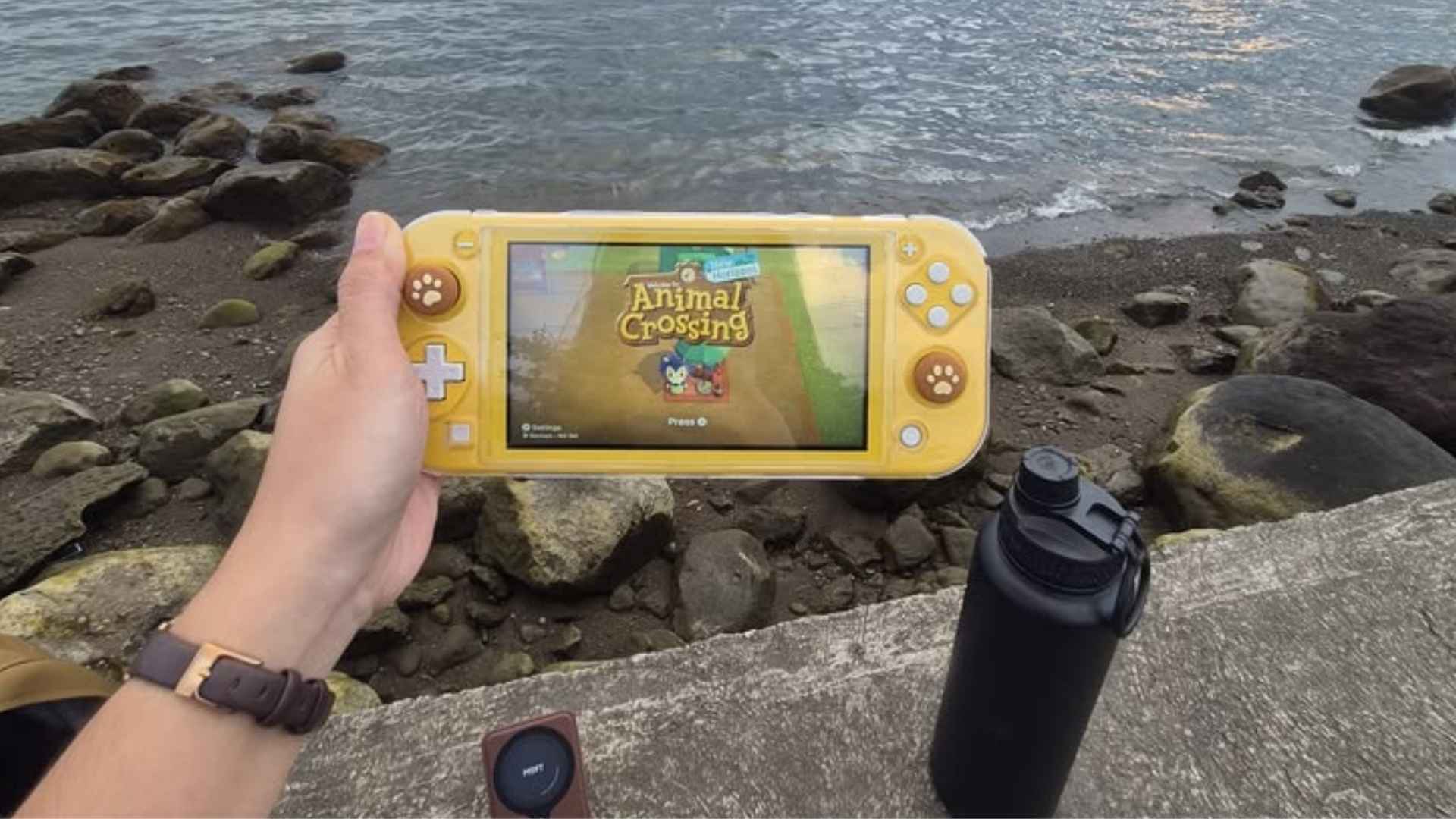
Modern video game design has increasingly prioritized mechanisms that acknowledge and validate player skill development over time. Rather than relying solely on repetitive grinding or static achievement lists, interactive titles now adapt to demonstrate clear growth to the user. This shift enhances long-term engagement by ensuring every milestone reflects genuine mastery and strategic advancement.
Dynamic Difficulty Adjustment Systems
Adaptive difficulty algorithms serve as a primary tool for measuring player competence during active gameplay sessions. As a player demonstrates sharper reflexes or better strategic decisions, the system dynamically scales challenges to match their evolving skill set. This dynamic balance prevents early stagnation and maintains a rewarding sense of continuous personal growth.
By subtly modifying enemy behavior or puzzle complexity, developers create a highly personalized environment. Players feel a distinct sense of accomplishment when overcoming challenges that previously seemed insurmountable. This responsive feedback loop reinforces confidence and encourages deeper investment in the title.
Visual and Metric Performance Analytics
Comprehensive statistics screens and skill graphs provide modern gamers with transparent proof of their ongoing growth. Detailed post-match breakdowns highlight improvements in accuracy, decision speeds, and resource management over extended periods. Tracking these concrete metrics allows players to visualize their transformation from novice to advanced status.
Many online competitive platforms also integrate rank progression systems that reflect refined decision-making skills. When exploring interactive options or seeking strategic insights, users frequently look for platform updates via an m88 bet to evaluate current trends. Clear performance tracking ensures that every victory feels earned and grounded in personal development.
Tiered Mastery and Skill Tree Evolution
Branching skill trees and progression tiers offer tangible rewards for mastering core game mechanics. Unlocking higher-tier abilities requires players to demonstrate proficiency with foundational skills before moving forward. This structured approach ensures that unlocked capabilities align directly with the player's increasing understanding of game physics and logic.
Visual customization options often unlock alongside high-level skill achievements to signify expertise to the wider community. Earning unique titles or rare cosmetic items serves as public recognition of dedicated improvement. These visual badges of honor reinforce intrinsic motivation by celebrating sustained effort.
Feedback Loops and Contextual Rewards
Contextual audio cues, fluid animation upgrades, and responsive dialogue shifts directly reflect player mastery inside virtual worlds. Characters and environments react differently as the player achieves greater milestones within the campaign. This subtle narrative reinforcement makes the journey feel organic and personally meaningful.
Ultimately, games that acknowledge personal growth foster a more satisfying and enduring experience for diverse gaming audiences. By aligning system incentives with genuine skill refinement, developers cultivate healthy, highly engaged player communities. Recognizing progress transforms simple gameplay into a fulfilling journey of mastery.