How To Improve Your Accuracy During Bridge Auctions
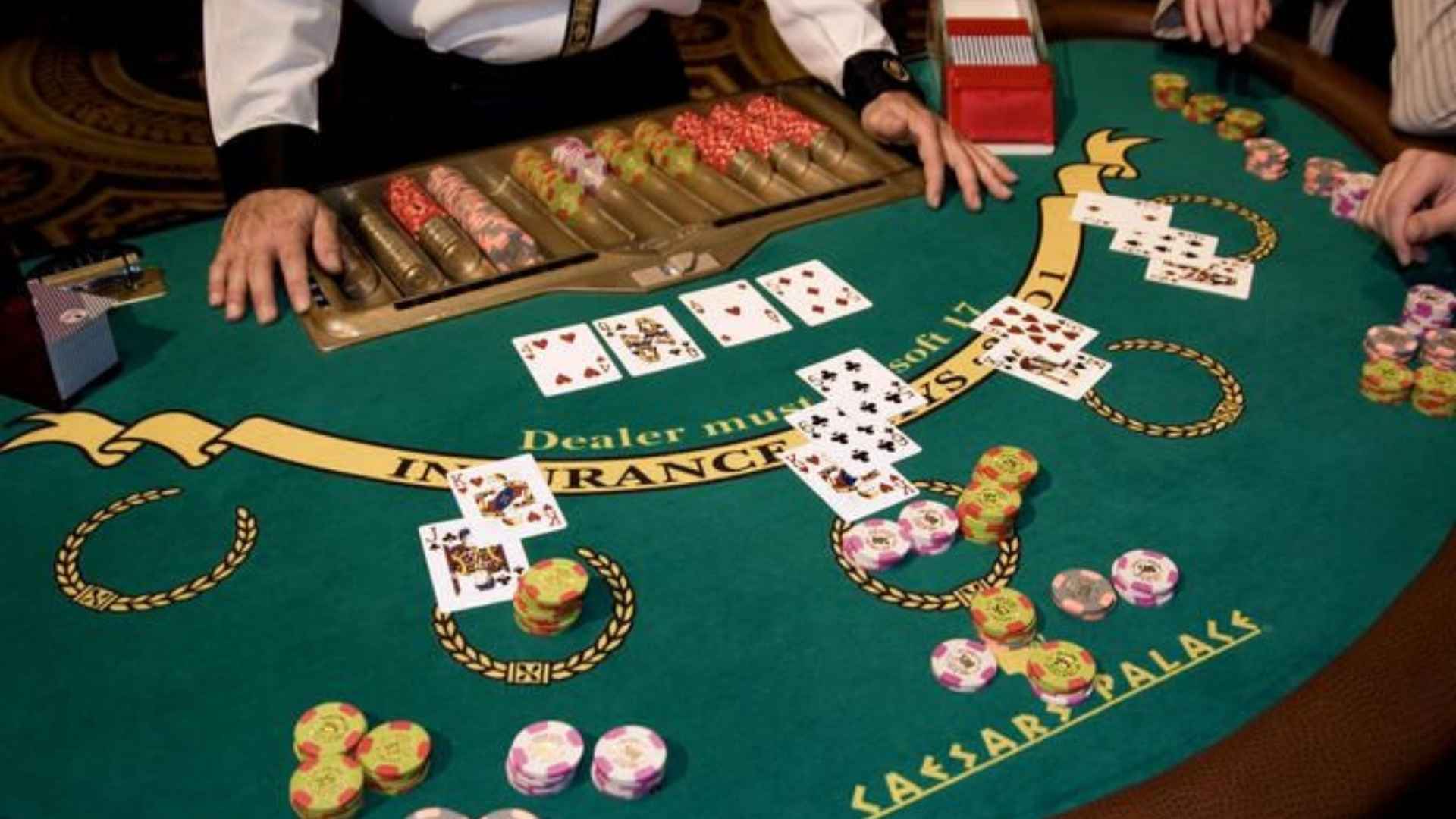
Achieving precision during bridge auctions is a fundamental skill that transforms average players into consistent winners. The auction phase determines the final contract, making clear communication and disciplined decision-making essential for long-term success. By sharpening your bidding strategy, you can avoid costly miscommunications and secure optimal game contracts.
Refining Hand Evaluation Beyond Basic Points
Counting high-card points is a helpful starting point, but accurate bidding requires evaluating hand distribution and suit quality. Considering factors such as suit length, honor combination, and positional strength provides a more reliable picture of your hand's true value. Adjusting your evaluation dynamically as the auction unfolds ensures you make realistic calls.
When evaluating complex holdings, experienced players also account for how suit distributions interact across the entire table. Gathering reliable information and practicing analytical routines help players refine their judgment over time. Many enthusiasts visit m88 มือถือ to stay updated on competitive strategy guides and mental training resources. Developing disciplined habits ensures that every bid is backed by sound logical reasoning.
Establishing Clear Bidding Agreements with Your Partner
Successful bridge partnerships rely on standardized systems and mutual understanding during competitive auctions. Misunderstandings frequently occur when partners interpret system bids or conventional responses differently under pressure. Establishing explicit agreements regarding artificial calls and forcing sequences eliminates confusion at the table.
Regularly reviewing standard conventions with your partner ensures both of you stay synchronized throughout complex bidding rounds. Clear communication builds trust, allowing you to venture into aggressive contracts with total confidence. Consistent agreement practice ultimately leads to significantly fewer unforced errors during live play.
Active Listening and Table Observation
Paying close attention to opponent bids and partner passes offers valuable clues about hidden card distribution. Every call made during an auction narrows down the possible location of missing honors and long suits. Integrating this incoming data into your ongoing plan increases bidding accuracy dramatically.
Observing tempo and subtle bidding patterns helps you deduce potential threats before committing to a high contract. Taking a deliberate pause to process table information prevents rushed and inaccurate decisions. Skilled players continuously update their mental model of the deal as the auction progresses.
Managing Competitive Pressure and Risk
Competitive auctions often force players to make difficult choices under time constraints and strategic interference. Remaining calm and disciplined prevents overbidding when opponents attempt to crowd your communication space. Knowing when to push for a game contract and when to settle for a safe partial score is vital.
Adopting a structured risk-management mindset helps maintain composure when auctions become crowded or volatile. Evaluating risk versus potential reward prevents unnecessary penalties and steady progress across multi-session tournaments. Consistent bidding discipline remains the single most effective tool for long-term competitive success.